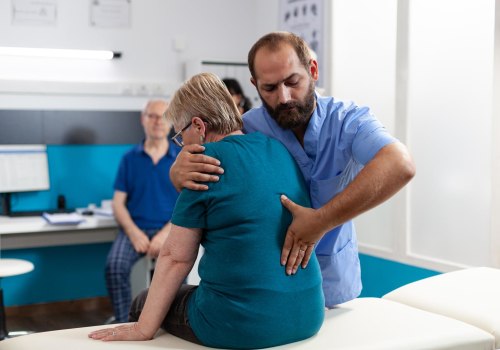
When a Back Injury Disrupts Everyday Life
A back injury can affect much more than a person's ability to move comfortably. Persistent pain may interfere with sleep, work, exercise, relationships, and everyday responsibilities. When discomfort continues for weeks or months, it can also take an emotional toll, leaving a person frustrated, isolated, or overwhelmed.
Managing severe pain can sometimes involve prescription medication. For example, opioids may be prescribed for certain types of significant pain, but these medications can carry a risk of misuse or dependency for some individuals. What begins as an effort to manage physical discomfort can eventually become another challenge that requires professional support.
Recognizing Warning Signs in Philadelphia, PA
Substance dependency does not always develop suddenly. Certain changes in behavior may indicate that substance use is becoming difficult to control. These can include using more of a substance than intended, feeling strong cravings, relying on substances to cope with emotional distress, or struggling to stop despite negative effects.
A person recovering from a back injury may be especially vulnerable to unhealthy coping patterns when pain, limited mobility, and stress occur together. However, experiencing an injury or taking pain medication does not automatically mean someone will develop an addiction. Recognizing concerning patterns early can make it easier to seek appropriate help.
Finding Support for Recovery
Recovery often requires addressing more than substance use itself. Physical pain, emotional distress, stress, and changes in daily life can all influence a person's recovery journey.
Anchor Point can provide a structured setting where individuals receive support while working toward healthier ways of managing challenges. Counseling and recovery-focused services can help clients understand behaviors and develop coping strategies that do not depend on substances.
How Addiction Residential Treatment Can Help in Philadelphia, PA
Addiction residential treatment offers a structured environment where individuals can step away from daily triggers and focus more fully on recovery. Living within a supportive treatment setting can provide consistency, accountability, and access to professional guidance.
Depending on individual needs, treatment may involve individual counseling, group sessions, recovery education, and personalized care planning. For someone whose substance dependency developed alongside the difficulties of managing a back injury, this type of comprehensive support can help address both the circumstances surrounding substance use and the emotional challenges of recovery.
Choose the Right Support at Anchor Point in Philadelphia, PA
Finding the right treatment center can make an important difference in establishing a sustainable recovery plan. Consider a provider that offers individualized care, qualified professionals, a supportive residential environment, and services designed around each person's circumstances.
A back injury may begin as a physical challenge, but the effects can sometimes extend into emotional well-being and substance use. If dependency or misuse has become part of that struggle, Anchor Point offers a supportive environment for taking meaningful steps toward recovery.
Contact Anchor Point today to learn more about addiction residential treatment options in Philadelphia, PA, and begin your path toward a healthier future.