Recovering from a back injury involves more than waiting for pain to decrease. Depending on the type and severity of the injury, recovery may involve medical evaluation, physical therapy, appropriate activity modification, medication, and gradual return to normal movement. Each person's recovery timeline can be different, so following guidance from qualified healthcare professionals is important. Trying to resume strenuous activities too quickly may interfere with recovery, while avoiding movement for too long may contribute to weakness or reduced confidence. A personalized recovery plan can help individuals understand their limitations, establish realistic milestones, and gradually rebuild strength and mobility while monitoring changes in symptoms.
Restoring Mobility and Function
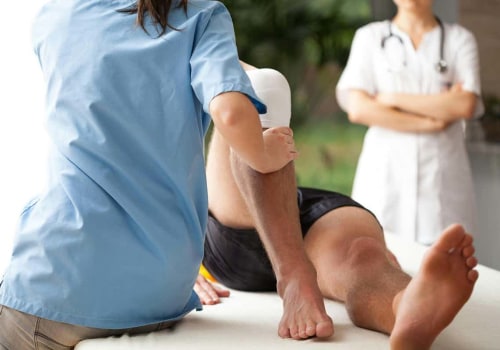
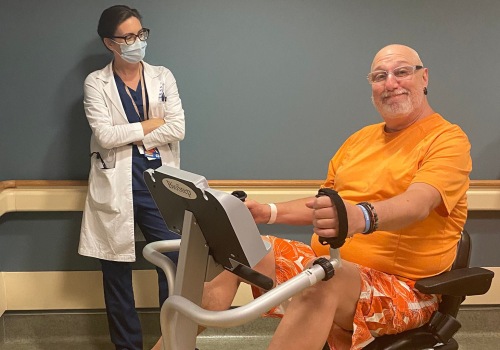
Physical healing is an important part of recovery because back injuries can affect walking, sitting, bending, lifting, sleeping, and other everyday activities. Physical therapy may include exercises designed to improve strength, flexibility, balance, posture, and movement patterns. Depending on the individual's condition, therapists may also teach techniques for performing daily tasks more safely and efficiently. Gradual progress can help individuals regain confidence in their bodies while reducing the fear of movement that sometimes develops after an injury. Patients should communicate openly about pain or new symptoms and follow professional recommendations rather than attempting exercises that have not been determined to be appropriate for their condition.
Addressing the Emotional Impact
A back injury can affect emotional well-being as much as physical functioning. When discomfort prevents someone from working, exercising, traveling, socializing, or participating in favorite activities, frustration and uncertainty may develop. Some individuals may also worry about reinjury or become hesitant to move even after their physical condition begins improving. These emotional responses are understandable, but persistent anxiety or low mood may make the recovery experience more challenging. Addressing emotional health can therefore be an important part of comprehensive rehabilitation. Support from family, friends, healthcare professionals, and appropriate mental health resources can help individuals manage frustration and adapt to temporary or lasting changes in physical ability.
Supporting Mental and Emotional Resilience
Developing healthy coping strategies can make the recovery process more manageable. Relaxation exercises, mindfulness, appropriate physical activity, journaling, maintaining social connections, and setting small achievable goals may help individuals remain engaged with daily life while recovering. Professional psychological support can also be valuable when stress, anxiety, depression, or fear of movement begins interfering with progress. Resources such as Cabot Psychological Services may provide support for individuals working through emotional challenges related to injury, lifestyle changes, or other significant health experiences. Psychological care does not replace physical rehabilitation; instead, it can complement physical treatment by helping individuals develop practical strategies for managing emotions and maintaining motivation.
Rebuilding Quality of Life
Quality of life should remain an important consideration throughout back injury recovery. Returning to meaningful activities can provide motivation and give recovery a broader purpose beyond simply reducing symptoms. Goals might include returning to work, resuming exercise, spending time with family, participating in hobbies, or performing everyday tasks independently. Progress does not always happen in a straight line, and temporary setbacks do not necessarily mean that recovery has failed. Maintaining realistic expectations and communicating regularly with healthcare providers can help individuals adjust their plans as needed. Ultimately, back injury recovery is about rebuilding function while also restoring confidence, independence, and participation in meaningful activities. By combining appropriate medical care, rehabilitation, healthy lifestyle habits, emotional support, and realistic goals, individuals can look beyond physical healing and work toward a more complete recovery that supports both long-term well-being and overall quality of life.