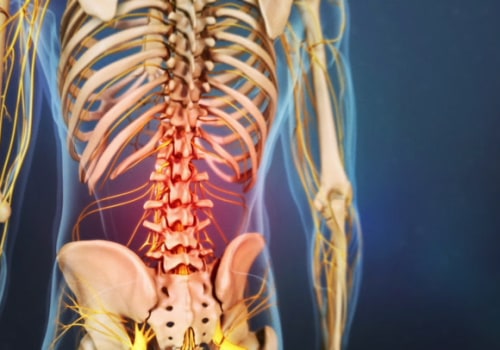
Back injuries are among the most common physical problems affecting people of all ages and lifestyles. Whether caused by everyday activities, workplace responsibilities, or recreational exercise, these injuries can interfere with mobility, productivity, and overall quality of life. The back consists of muscles, ligaments, nerves, discs, and bones that work together to support movement and maintain stability. When these structures experience excessive strain or improper positioning, injuries can develop. Understanding the common causes of back problems and adopting preventive habits can significantly reduce the risk of discomfort and long-term complications.
Poor Posture and Prolonged Sitting
One of the leading contributors to back discomfort is poor posture, particularly among individuals who spend extended periods sitting at desks or using electronic devices. Slouching, leaning forward, and maintaining awkward positions can increase stress on the spine and surrounding muscles. Over time, these habits may contribute to muscle fatigue, stiffness, and discomfort. Maintaining proper sitting posture, using an ergonomically designed workstation, and taking regular movement breaks can help minimize unnecessary strain. Individuals experiencing persistent discomfort may also consider consulting a chiropractor in Appleton for an assessment and guidance on appropriate spinal care and movement habits.
Improper Lifting Techniques
Lifting heavy objects incorrectly is another frequent cause of back injuries. Many individuals bend at the waist instead of using their hips and knees, placing excessive pressure on the lower back. Sudden twisting movements while carrying heavy loads can further increase the likelihood of muscle strains or disc injuries. To reduce these risks, individuals should keep objects close to their bodies, maintain a stable stance, and avoid twisting while lifting. When handling particularly heavy or awkward items, using lifting equipment or requesting assistance can help prevent unnecessary injuries.
Lack of Exercise and Weak Core Muscles
A sedentary lifestyle can contribute to back problems by weakening the muscles responsible for supporting the spine. The abdominal, back, and hip muscles work together to maintain stability during daily movements. When these muscles lack sufficient strength and endurance, everyday activities may place greater demands on surrounding structures. Regular physical activity, including walking, swimming, and appropriate strength training, can improve muscular support and overall mobility. Exercises such as bird dogs, bridges, and modified planks may help strengthen supporting muscles when performed correctly and within individual physical capabilities.
Repetitive Movements and Overexertion
Repeated bending, twisting, or lifting can gradually place stress on back muscles and connective tissues, especially when adequate recovery is neglected. Workers performing physically demanding tasks and athletes engaging in repetitive movements may face increased injury risks. Alternating activities, practicing proper techniques, and allowing sufficient recovery time can help manage physical strain. Gradually increasing exercise intensity rather than making sudden changes also allows muscles and joints to adapt more safely.
Building Healthy Habits for Long-Term Prevention
Preventing back injuries requires consistency in everyday movement and lifestyle choices. Maintaining a healthy weight, staying physically active, practicing proper lifting techniques, and creating ergonomic workspaces can contribute to better spinal health. Adequate sleep and regular movement throughout the day also support recovery and physical well-being. Individuals who experience severe, persistent, or worsening back pain should seek professional medical evaluation. By recognizing potential risks early and developing healthier movement habits, people can protect their backs, maintain independence, and enjoy greater comfort during everyday activities.